Aligning Virtual Table Game Rhythms with Promotional Cycle Peaks in Cross-Platform Casino Loyalty Programs
Written by Clara Zimmermann · Aug 2, 2026
Aligning Virtual Table Game Rhythms with Promotional Cycle Peaks in Cross-Platform Casino Loyalty Programs
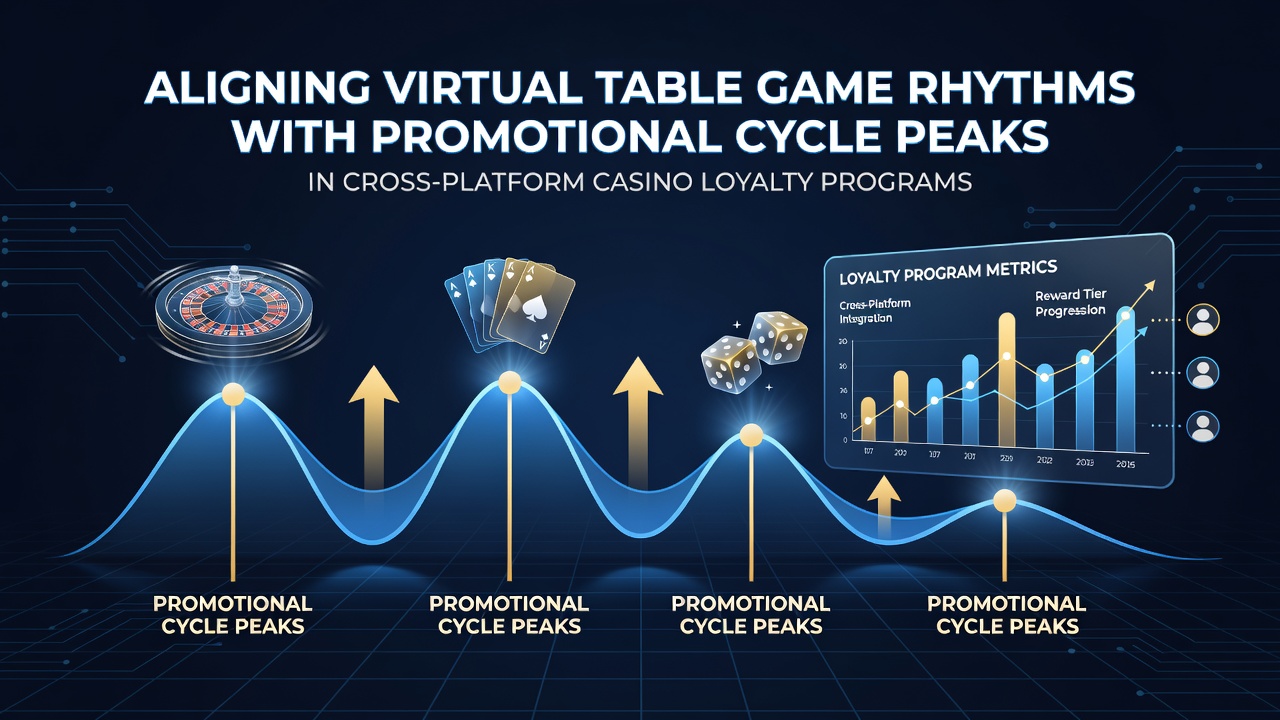
Virtual table games such as blackjack and roulette operate on distinct rhythm patterns that operators track through session duration metrics and player interaction logs, while promotional cycles in loyalty programs reach peak activity during specific calendar windows that data from multiple platforms reveal as high-engagement periods. Observers note that aligning these rhythms requires operators to map game flow intervals against loyalty reward distribution schedules so participants receive bonus credits or tier advancement opportunities precisely when table game sessions typically intensify.
Understanding Virtual Table Game Rhythms
Table game algorithms establish pacing through random number generator cycles and betting round structures that produce measurable session lengths averaging between fifteen and forty minutes according to aggregated platform telemetry. Researchers at institutions tracking digital wagering have documented how players shift between rapid decision sequences in blackjack adn slower observation phases in roulette, creating identifiable peaks in activity that coincide with evening hours across time zones. Cross-platform systems record these patterns consistently whether users access games via smartphone applications or desktop interfaces, allowing operators to identify recurring intervals where engagement naturally climbs.
Promotional Cycle Peaks in Loyalty Programs
Loyalty program data indicates that promotional peaks occur during monthly resets, seasonal events, and holiday clusters when point multipliers and exclusive table game invitations activate simultaneously. Figures from regional regulatory filings show elevated transaction volumes during these windows, with August 2026 projections from North American operators highlighting increased participation in virtual table tournaments tied to tiered reward releases. Systems coordinate these peaks by analyzing historical login data and reward redemption rates, then scheduling bonus triggers to match the natural escalation points in table game play without disrupting overall session balance.
Cross-Platform Integration Challenges
Operators face synchronization demands when loyalty profiles must update across mobile, tablet, and desktop environments in real time, since latency differences can shift the exact moment a promotional reward becomes available during a live table game round. Data from multi-jurisdictional reports reveal that successful platforms employ centralized player databases linked to game servers so rhythm-based triggers activate uniformly regardless of device. Those who have examined these integrations find that API connections between loyalty modules and table game engines reduce timing discrepancies to under two seconds on average, preserving the intended alignment between game flow and reward delivery.
Strategic Alignment Methods
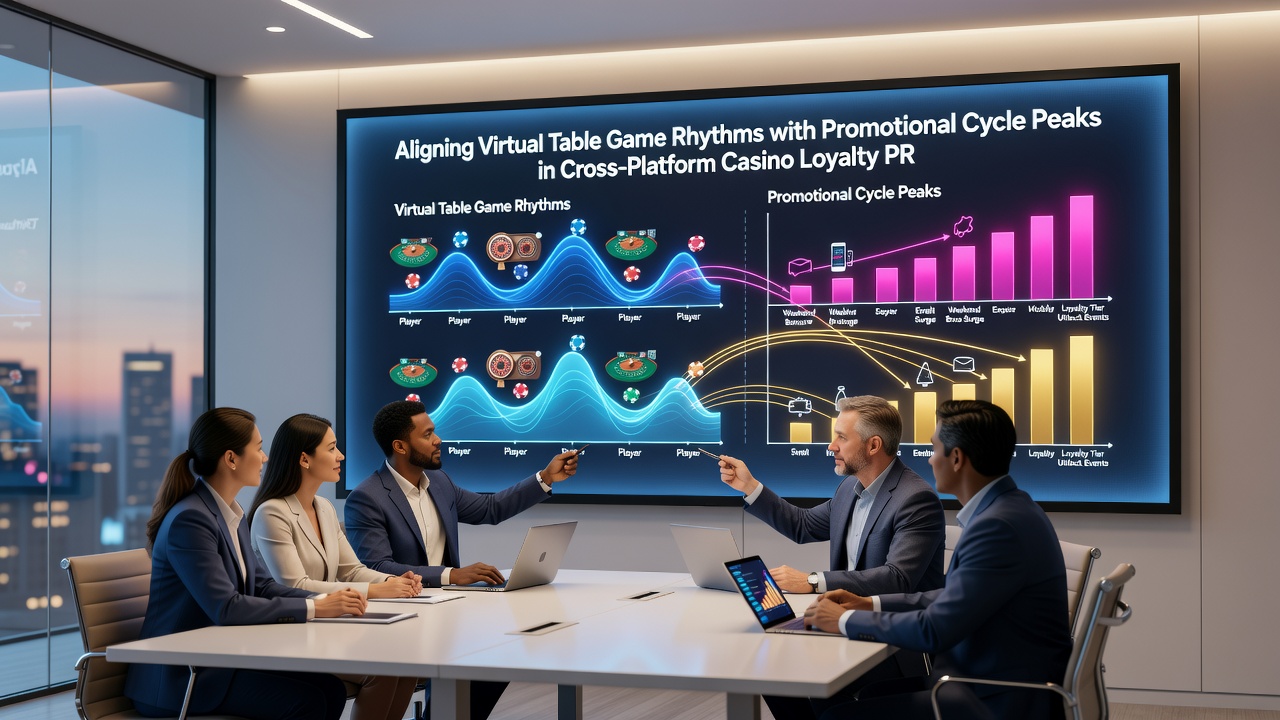
Alignment strategies begin with analysis of session telemetry that identifies when table game rhythms accelerate, typically during the first ten minutes of play and again near the thirty-minute mark, then overlay loyalty promotion schedules onto those intervals. Platforms apply segmentation by player tier so higher-level members receive targeted notifications seconds before expected rhythm peaks, while entry-level participants encounter broader cycle matches. External sources such as the Nevada Gaming Control Board annual summaries and reports from the Canadian Centre for Policy Alternatives document how such timing correlations correlate with sustained participation rates across jurisdictions.
Implementation involves iterative testing where operators adjust promotion start times by five to ten minute increments based on real-time feedback loops from game servers. One documented approach uses predictive modeling drawn from prior months' data to forecast rhythm peaks during August 2026 promotional events, allowing preemptive reward loading that activates exactly when player decision rates climb. This method maintains platform stability while ensuring loyalty benefits land during high-attention windows rather than interrupting established game flow.
Data Patterns and Platform Examples
Platform analytics reveal consistent correlations between table game round completion rates and loyalty point accrual spikes when promotions are scheduled within thirty seconds of natural rhythm shifts. European operators reporting to national bodies have recorded parallel trends, showing that cross-border loyalty transfers timed to these patterns increase session continuity by measurable margins. Observers tracking these developments note that successful programs avoid rigid calendars and instead rely on dynamic adjustments derived from live telemetry across all connected devices.
Conclusion
Effective alignment of virtual table game rhythms with promotional cycle peaks depends on precise data integration across loyalty systems and game engines, supported by regulatory transparency from multiple regions. Platforms that refine timing through continuous telemetry analysis maintain consistent engagement without altering core game mechanics. As cross-platform loyalty programs expand, operators continue to refine these synchronization techniques using established patterns from prior cycles, including those projected for August 2026.