Correlating Electronic Payment Confirmations with Recurring Digital Contest Cycles for Reward Optimization
Written by Greta Berger · May 24, 2026
Correlating Electronic Payment Confirmations with Recurring Digital Contest Cycles for Reward Optimization
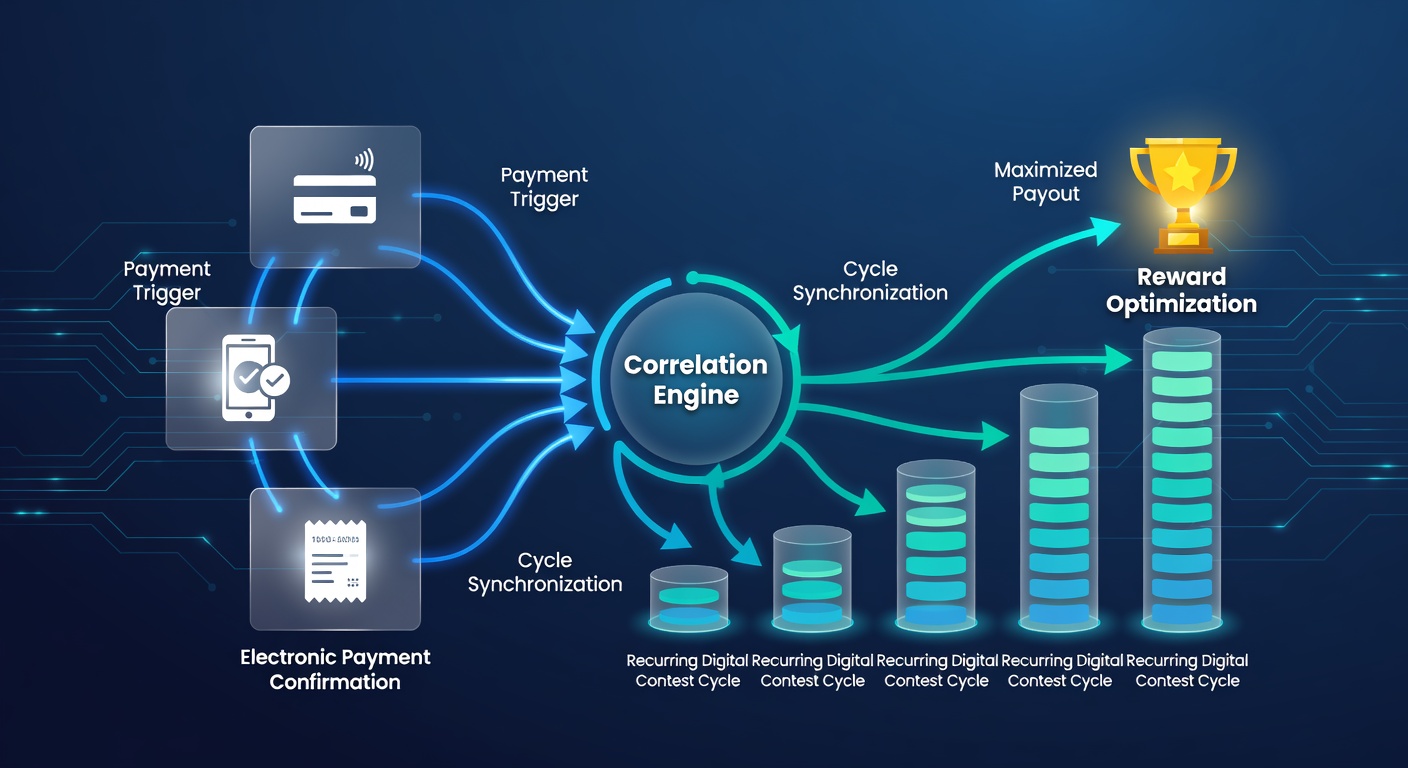
Data from multiple digital platforms shows that electronic payment confirmations often align with recurring contest cycles in ways that influence reward distribution patterns. Observers note that payment timestamps frequently precede or follow entry periods for tournaments and promotional events, creating measurable intersections where users can align deposits with active cycles to access layered incentives. In May 2026 industry tracking revealed several platforms had adjusted their confirmation protocols to better synchronize with these cycles, resulting in clearer data trails for participants who monitor transaction logs closely. Electronic payment systems generate confirmation records that include precise timestamps, amounts, and verification codes. These records serve as anchors when mapped against contest schedules that repeat on weekly, monthly, or seasonal intervals. Researchers at institutions studying consumer behavior in digital environments have documented how such mappings allow for identification of optimal windows where a confirmed payment unlocks eligibility for multiple reward tiers simultaneously.Payment Confirmation Mechanics in Digital Environments
Payment processors transmit confirmation data within seconds of transaction completion, and this data feeds directly into platform databases that track user activity. Platforms then cross-reference these confirmations with contest entry logs to determine eligibility for prizes or bonus credits. According to reports from the American Gaming Association, the volume of electronic transactions processed through gaming platforms increased notably in early 2026, with confirmation data becoming a primary metric for cycle alignment.
Contest cycles themselves operate on fixed recurrence patterns. Some run daily with rollover features, while others span full weeks or months and reset at predetermined intervals. The correlation emerges when payment confirmations land inside active cycle boundaries, triggering automatic reward calculations that stack across multiple events. Data indicates platforms using automated matching algorithms achieve higher rates of reward redemption because confirmations trigger entries without manual intervention.Mapping Cycles for Reward Layering
Analysts have examined how recurring cycles create predictable reward opportunities when paired with payment data. For instance, a platform might run a slot-based contest every Friday while simultaneously offering a loyalty multiplier that activates upon deposit confirmation. Users who schedule payments to arrive shortly before cycle resets often capture both the base entry and the multiplier in one transaction sequence.
Studies from the University of Nevada's gaming research division have highlighted that platforms maintaining transparent cycle calendars alongside payment dashboards see greater user retention over successive cycles. The process involves logging each confirmation against cycle start and end times, then identifying overlaps where rewards compound. This mapping does not require advanced tools in many cases, since most platforms provide downloadable transaction histories that users can align with published contest schedules.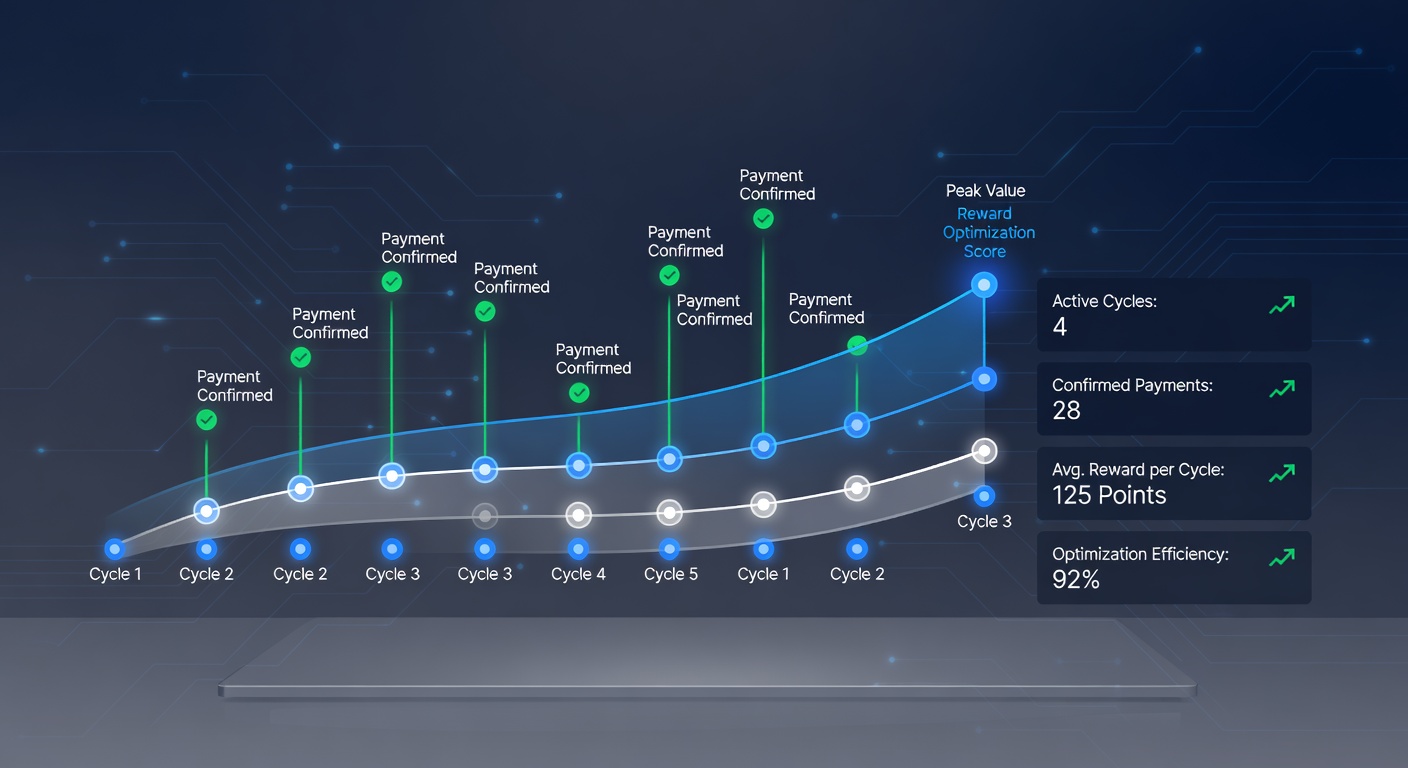
Practical Correlation Techniques Observed in 2026
Platform operators in May 2026 increasingly provided users with tools that display both payment status and upcoming contest windows on unified screens. These interfaces allow direct comparison of confirmation times against cycle phases, revealing periods where a single deposit confirmation can satisfy entry requirements for concurrent promotions. Industry figures reveal that participants who review these combined views before initiating payments record higher aggregate reward values across monthly periods.
Some systems automatically flag when a pending confirmation approaches a cycle boundary, prompting users to complete verification steps in time. Others export confirmation data in formats compatible with spreadsheet analysis, enabling manual correlation for those tracking multiple platforms. Observers note that teh most consistent results appear when users maintain records spanning at least three full cycle iterations, since patterns become clearer over repeated intervals.Data Sources and Verification Standards
Verification of these correlations relies on documented transaction records and publicly posted contest rules. Regulatory bodies such as the Nevada Gaming Control Board require platforms to maintain auditable logs that link payments to promotional outcomes, ensuring the data used for reward calculations remains consistent. Similar standards appear in Canadian provincial oversight frameworks, where electronic confirmation trails must support any claimed contest eligibility.
Platforms that publish cycle calendars with exact start times and payment processing windows reduce ambiguity in correlation efforts. Users can then align their confirmation receipts with these published intervals to verify eligibility before rewards distribute. This approach has become standard across several major operators as of mid-2026.Conclusion
The correlation between electronic payment confirmations and recurring digital contest cycles continues to shape how reward optimization occurs across platforms. Clear timestamp data combined with predictable cycle structures allows systematic alignment that maximizes access to layered incentives. As platforms refine their reporting tools and regulatory standards maintain audit requirements, participants gain more reliable methods for tracking these intersections over time. The patterns documented through 2026 demonstrate that consistent record-keeping and schedule awareness remain central to effective reward management in digital contest environments.