Decoding Reel Cycle Alignments That Trigger Tiered Access to Interactive Table Sessions Within Loyalty Ecosystems on Handheld Devices
Written by Ellis Koch · Aug 16, 2026
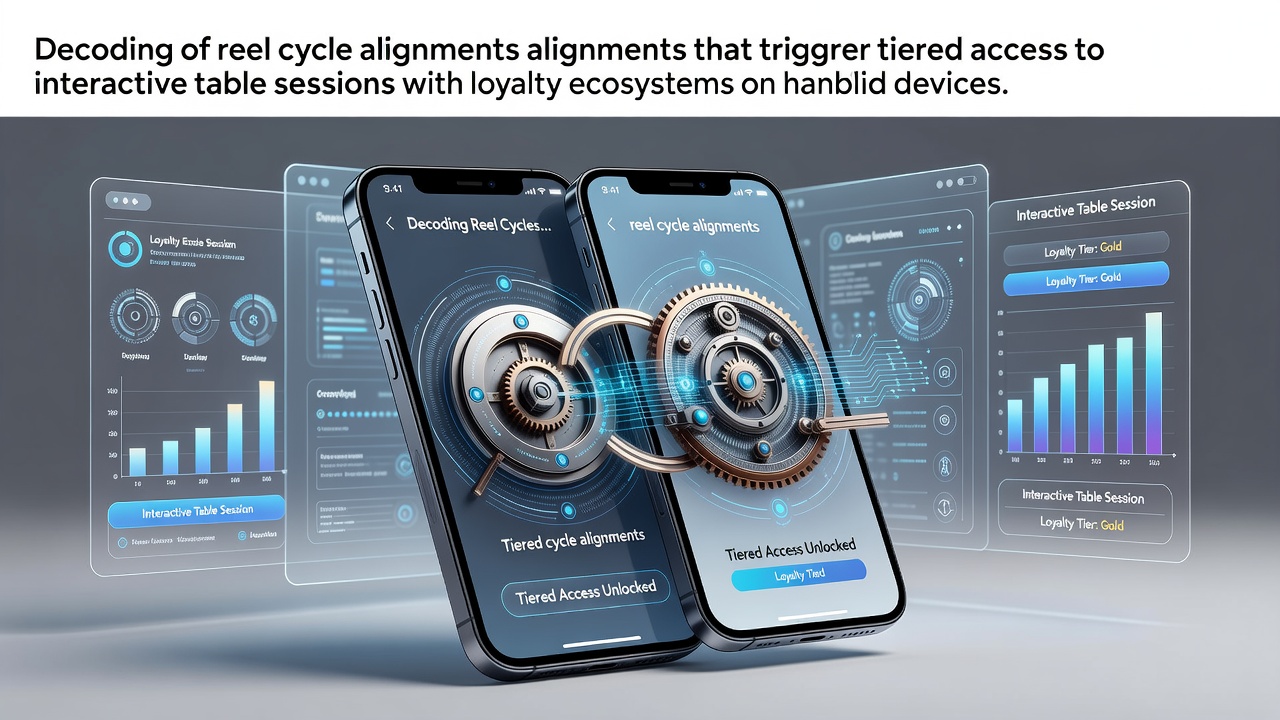
Decoding Reel Cycle Alignments That Trigger Tiered Access to Interactive Table Sessions Within Loyalty Ecosystems on Handheld Devices
Reel cycle alignments in mobile slot applications connect directly to loyalty program structures that control entry into interactive table sessions across handheld platforms, and operators track these patterns through backend algorithms that monitor spin sequences, symbol combinations, and session durations. Data from regional gaming authorities shows that specific reel configurations, such as consecutive bonus symbol clusters or progressive multiplier triggers, accumulate loyalty points at accelerated rates which then elevate user tiers and unlock live dealer tables or multiplayer card environments.
Mechanics of Reel Cycle Detection
Handheld devices transmit reel data in real time to centralized loyalty servers where algorithms evaluate alignment frequency against predefined thresholds, and researchers note that three-reel matches during peak hours often accelerate point multipliers by factors of 1.5 to 2.0 compared with standard play. These systems integrate with player accounts to adjust access permissions automatically, allowing higher-tier users to enter virtual table lobbies without separate registration steps while lower tiers require additional play volume to qualify.
Studies from academic institutions tracking mobile wagering patterns reveal that reel cycle events cluster around certain times, particularly during evening windows in August 2026 when promotional overlays increased alignment bonuses across multiple applications, and this timing correlates with higher conversion rates from slot engagement to table session participation.
Loyalty Tier Progression Pathways
Tier escalations depend on cumulative reel data points that feed into loyalty ledgers, and experts observe that bronze to silver transitions typically require 500 aligned cycles within a 30-day window whereas gold and platinum levels demand 2,000 or more with additional conditions such as cross-game activity. Once achieved, these tiers grant immediate entry to interactive table environments featuring real-time dealer streams and chat functions on portable screens, and operators report that such access sustains longer overall session lengths according to aggregated platform metrics.
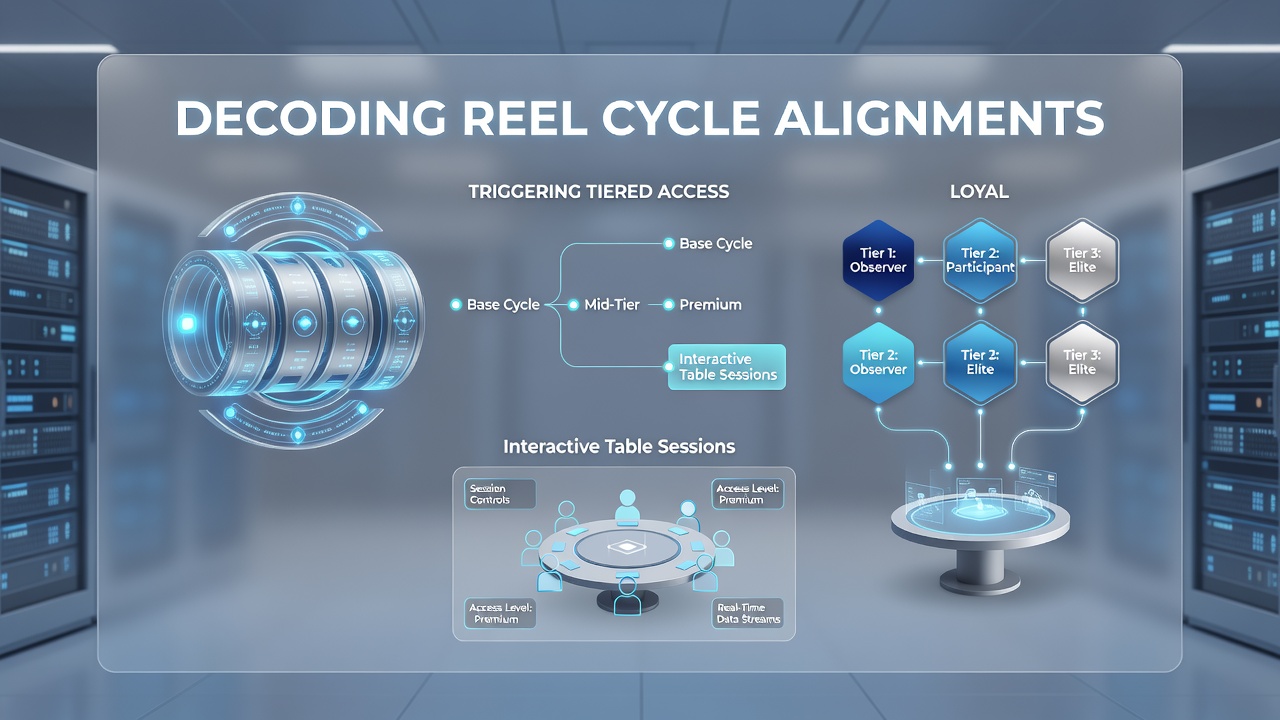
Platform developers embed detection scripts that flag reel alignments meeting loyalty criteria and push notifications to eligible users, and one case documented in industry analyses involved a regional operator that synchronized these alerts with festival period campaigns in late summer 2026 resulting in measurable upticks in table session entries. Those who monitor these systems note that handheld hardware constraints, including processing speed and connectivity stability, influence how quickly alignments register and tiers update.
Integration With Broader Ecosystem Features
Reel cycle data also intersects with payment confirmation cycles and contest entry windows, creating layered pathways where aligned spins contribute to both tier advancement and separate reward pools, and evidence from regulatory filings indicates that such combined mechanics appear across multiple jurisdictions including North American and Asian markets. Handheld applications use encrypted channels to verify these contributions in compliance with local standards, ensuring that tiered access remains tied to verifiable activity rather than external factors.
Analyses conducted by research groups at universities specializing in digital behavior patterns show consistent links between reel alignment density and subsequent table session duration, particularly when users receive tier-based incentives such as reduced entry fees or bonus credits for interactive games. Observers highlight that these connections strengthen during periods of platform updates, as seen in several releases rolled out before August 2026 that refined alignment detection sensitivity.
Regulatory and Technical Considerations
Gaming control boards in various regions require operators to document how reel cycle alignments influence loyalty outcomes and to maintain audit trails for tier assignments, and New Jersey Division of Gaming Enforcement reports emphasize transparency in these automated processes. Technical frameworks incorporate random number generator certifications alongside loyalty logic modules so that alignments trigger rewards without compromising game fairness, and industry associations track compliance across handheld deployments.
Further documentation from Gaming Standards Association outlines protocols for data exchange between reel engines and loyalty databases, enabling seamless tier updates that affect table session availability on mobile interfaces. These standards support cross-device continuity, allowing users to maintain progress when switching between handheld models or operating systems.
Conclusion
Reel cycle alignments serve as measurable inputs within loyalty ecosystems that determine access levels to interactive table sessions on handheld devices, and the connections rely on integrated tracking systems validated through regulatory oversight and technical standards. Patterns observed in 2026 data collections continue to inform platform refinements, with operators focusing on precise detection methods that align player activity with tier benefits across expanding mobile environments.