Decoding Verification Timelines Aligning Currency Transfers with Multiplier Triggers in Cross-Platform Reel Environments During Compliance Updates
Written by Ellis Koch · Jul 7, 2026
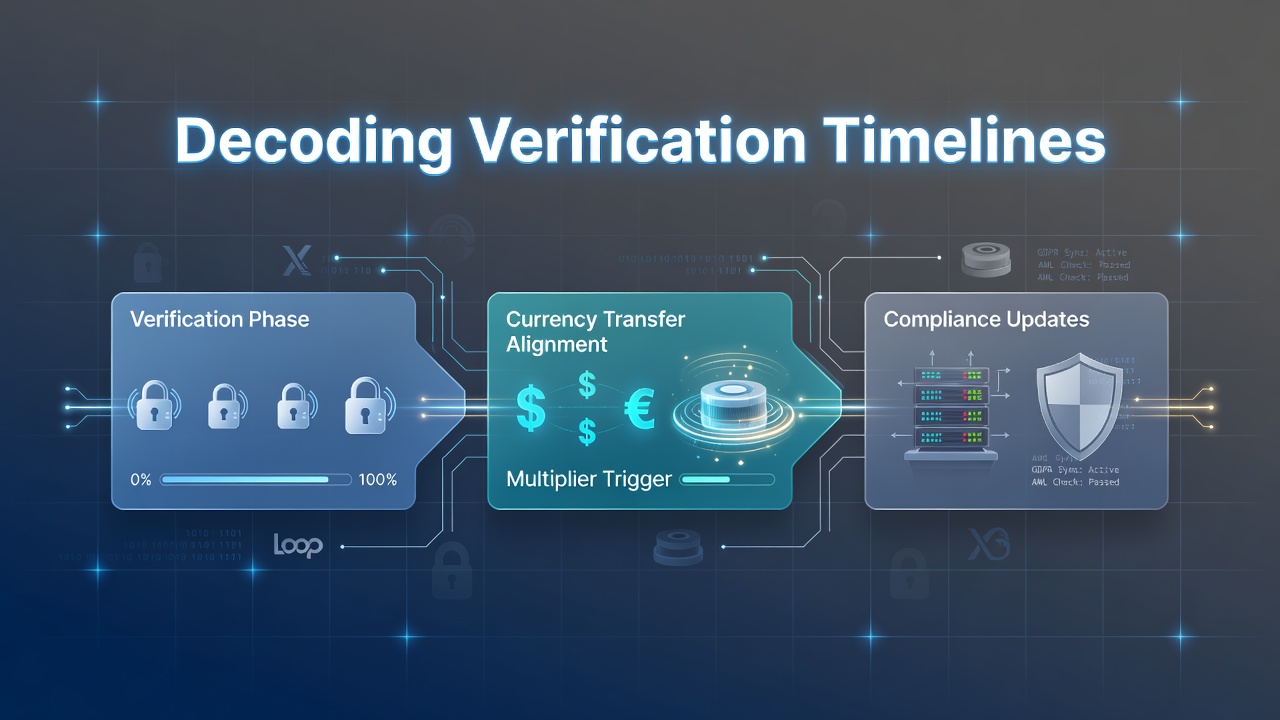
Decoding Verification Timelines Aligning Currency Transfers with Multiplier Triggers in Cross-Platform Reel Environments During Compliance Updates
Verification timelines in online gaming systems operate through coordinated sequences that match incoming currency transfers to multiplier activation points inside reel-based games, and these sequences shift when platforms roll out compliance updates across mobile and desktop environments. Operators track each transfer through automated checkpoints that confirm funds before any bonus multiplier engages on spinning reels, which prevents mismatches that could disrupt player sessions on different devices.
Core Mechanics of Timeline Alignment
Systems process a currency deposit by routing it through identity checks, then they calculate the exact window when a multiplier trigger becomes available in the reel software. Data indicates these windows typically span 30 to 120 seconds after confirmation, although compliance updates can extend that interval while additional regulatory flags are cleared. Cross-platform reel environments require the same timing logic to apply whether a player accesses the game through a browser session or a dedicated application, and synchronization occurs via shared backend servers that push real-time status updates to all connected devices.
One study revealed that platforms running unified ledgers reduce timing discrepancies by up to 40 percent compared with separate mobile and desktop databases. During compliance periods, regulators often require extra layers of transaction monitoring, which means verification scripts pause multiplier triggers until every check completes. Those who've studied these workflows note that the pause protects both operators and players by ensuring no bonus credit activates before funds settle fully.
Impact of Compliance Updates on Transfer Processing
Regulatory changes introduced in July 2026 prompted several jurisdictions to mandate enhanced source-of-funds verification for transfers above certain thresholds, and reel environments adjusted their multiplier schedules accordingly. Platforms integrated new API calls that query external databases before releasing any trigger event, which lengthened average processing from 45 seconds to nearly three minutes in the initial rollout phase. Observers note that these adjustments appeared first in high-volume markets before cascading to smaller operators who share the same software providers.
Cross-Platform Synchronization Challenges
Mobile applications and desktop clients must receive identical confirmation signals, yet network latency differences create brief gaps that verification engines compensate for through timestamp buffering. Research indicates that buffering techniques maintain alignment accuracy above 98 percent even when one device operates on a slower connection. Compliance updates sometimes force a full cache refresh across all platforms, which resets pending multiplier triggers and requires players to reinitiate the deposit sequence if the refresh occurs mid-process.
Turns out the most effective solutions involve predictive pre-verification that runs background checks on recurring accounts, allowing the system to shorten the final confirmation step once the actual transfer arrives. This approach has been documented in industry reports covering North American markets where real-time regulatory reporting became mandatory.
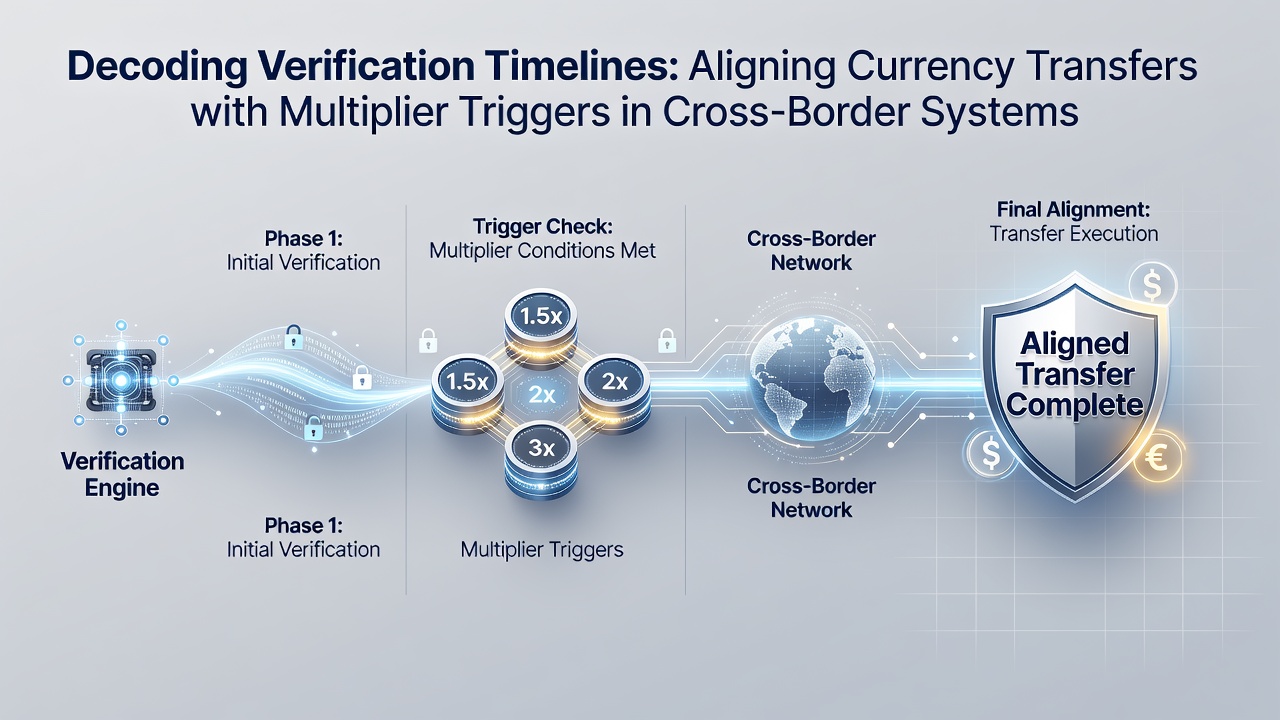
Multiplier Trigger Logic and Transfer Confirmation
Reel software defines multiplier triggers as specific reel outcomes or bonus round entries that scale winnings, and these triggers only become active after the verification engine marks the associated currency transfer as cleared. The logic tree checks deposit status first, then evaluates whether the current game session meets platform rules updated during the latest compliance cycle. Evidence suggests that staggered rollout of compliance patches across different geographic regions creates temporary inconsistencies, prompting operators to maintain region-specific timing tables that override global defaults when necessary.
Platforms operating in multiple time zones coordinate these tables through centralized control servers that push updates at scheduled maintenance windows, usually during low-traffic periods. People who've analyzed post-update logs report that successful alignments correlate strongly with deposit size and account age, because newer accounts trigger more extensive manual review queues.
Regional Regulatory Variations Affecting Timelines
According to information released by the Nevada Gaming Control Board, verification protocols in that jurisdiction emphasize rapid clearance for smaller recurring transfers while applying stricter scrutiny to larger or irregular amounts. Similar frameworks appear in Canadian provincial systems, where research institutions have documented how these rules translate into reel-environment timing adjustments. Operators in those markets report that July 2026 updates required additional data fields during the transfer verification step, which directly delayed multiplier activation by an average of 75 seconds across tested platforms.
European operators following directives from national gaming authorities adopted comparable measures, though their implementation timelines varied by country. What's interesting is how cross-border players experience different verification speeds depending on which regulatory set governs their account at the moment of deposit, even when using the same reel software on identical devices.
Practical Outcomes Observed in Live Environments
Case examples show that platforms which pre-stage verification results for verified accounts maintain consistent multiplier timing even during compliance transitions, whereas those relying solely on real-time checks encounter more frequent interruptions. Data from industry monitoring services reveal that successful synchronization rates improve when operators combine automated flags with selective human review rather than applying blanket delays. These patterns hold across both established casino brands and newer entrants adapting the same reel engines.
Conclusion
Verification timelines that connect currency transfers to multiplier triggers continue to evolve as cross-platform reel environments absorb successive compliance updates, and the mechanisms described here reflect current operational standards observed across multiple regulatory landscapes. Operators refine these systems through iterative testing that measures alignment accuracy after each regulatory shift, ensuring that timing remains consistent whether players engage via mobile applications or desktop interfaces. The interplay between payment confirmation and bonus activation therefore remains a core technical focus for any platform maintaining reel-based offerings under changing compliance requirements.