Funding Routes That Determine Participation Levels in Digital Reel Tournaments on Portable Platforms
Written by Greta Berger · Jun 7, 2026
Funding Routes That Determine Participation Levels in Digital Reel Tournaments on Portable Platforms
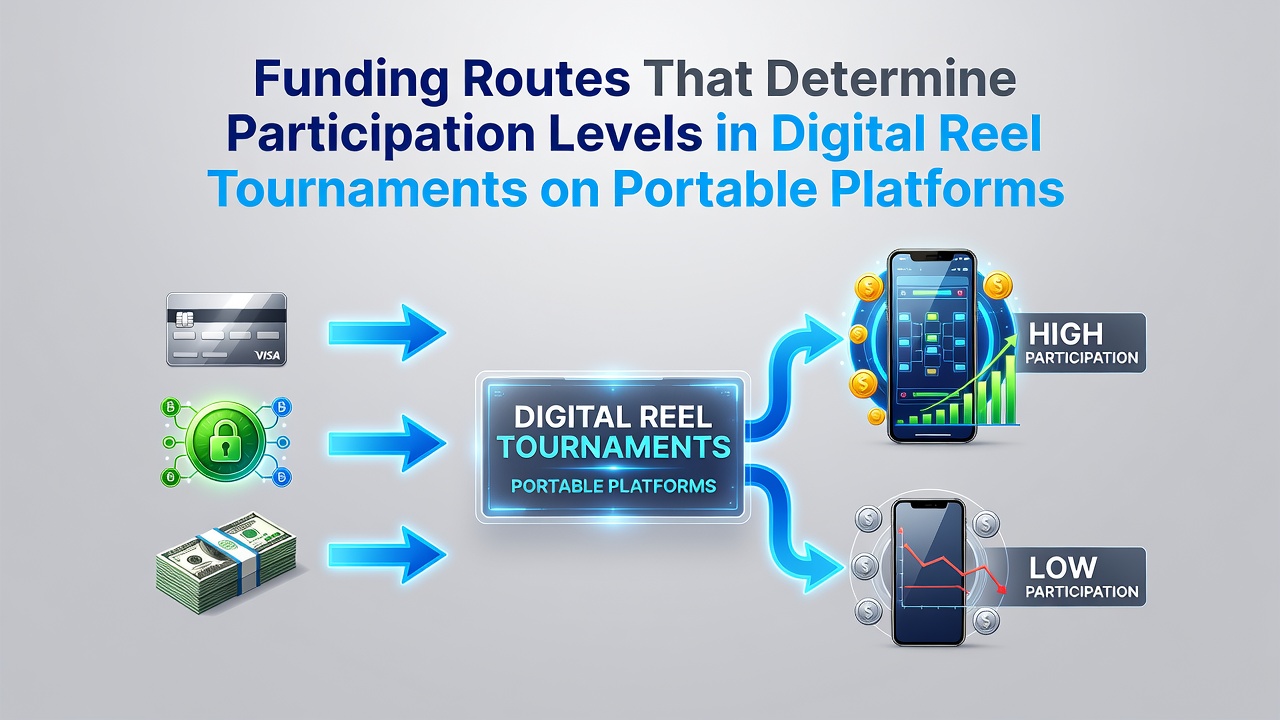
Digital reel tournaments on portable platforms operate through structured entry systems where funding routes directly shape who can join and at what scale and these pathways range from instant digital wallets to slower traditional transfers that create measurable differences in participation volumes. Observers note that players who complete deposits via e-wallets or prepaid cards gain immediate access to bracketed events while those relying on bank wires often miss early rounds because processing delays push them past registration cutoffs.
Core Funding Mechanisms in Mobile Tournament Ecosystems
Portable platforms support multiple deposit channels that each carry distinct processing timelines and fee structures and these variations influence how many users convert their intent to participate into actual entries. Credit and debit card transactions typically clear within seconds allowing users to enter tournaments that open at specific hours while cryptocurrency options provide near-instant confirmation on supported networks although volatility can affect the final credited amount. Data from industry tracking services shows that platforms integrating at least four distinct funding routes experience higher average entry counts per event compared with those limited to two methods.
Prepaid voucher systems and direct carrier billing further expand access in regions where banking infrastructure remains limited and these alternatives reduce friction for users who lack traditional accounts. Research indicates that tournaments allowing carrier billing see participation spikes among younger demographics who prefer not to link bank details to gaming apps. Meanwhile ACH transfers and wire services remain viable for larger buy-ins yet their multi-day settlement windows restrict spontaneous entries and this constraint shows up clearly in sign-up data collected during peak evening hours.
Participation Patterns Linked to Transaction Speed
Speed of funding correlates strongly with overall engagement levels because tournaments often fill brackets on a first-come basis and slower methods leave users watching from the sidelines. Figures compiled through platform analytics reveal that events permitting instant deposits achieve 30 to 40 percent higher completion rates for registration forms than those requiring manual verification steps. People who have examined entry logs across multiple operators consistently find that digital wallet users occupy a disproportionate share of final tables in weekly reel competitions hosted on smartphones and tablets.
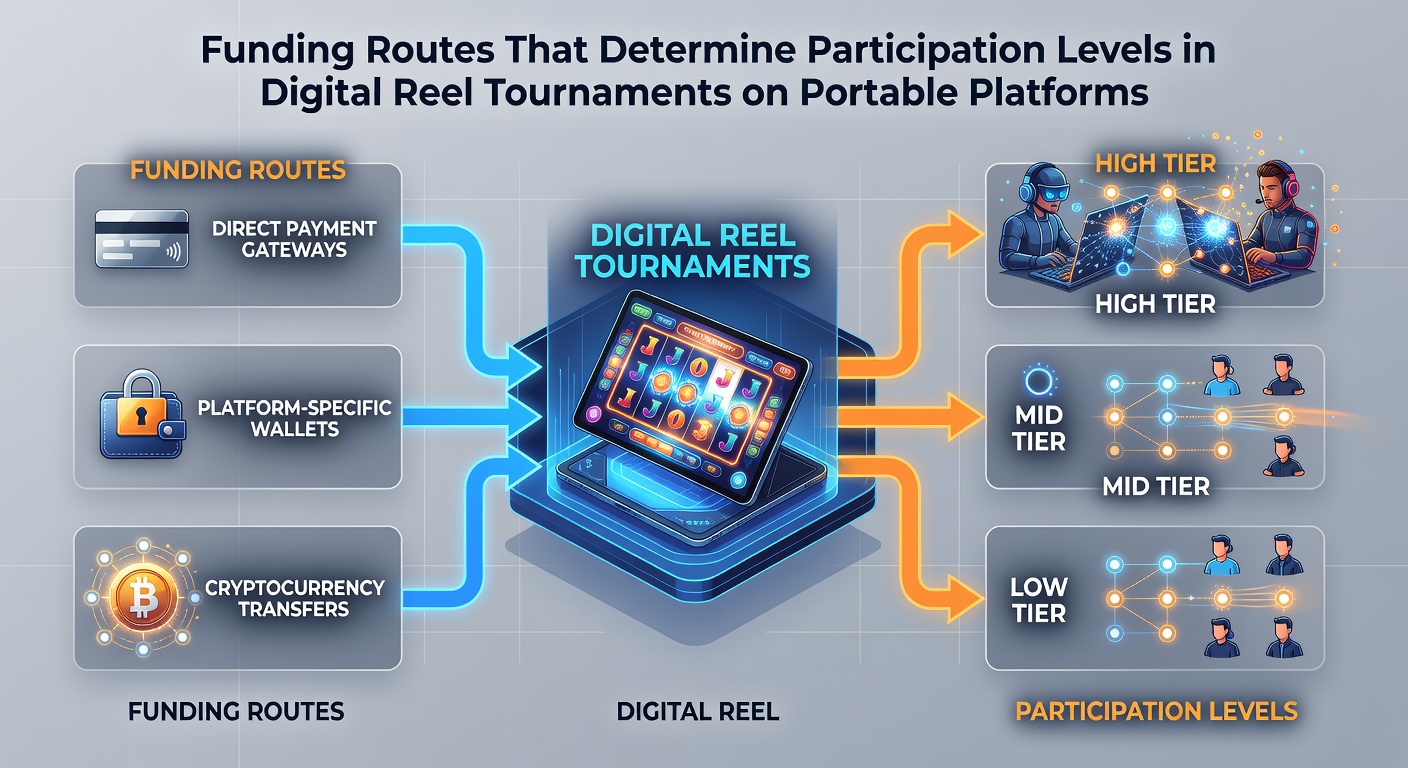
Seasonal promotions that coincide with faster funding windows produce additional surges and June 2026 data collected from several North American operators highlights elevated volumes during mid-month festival tie-ins when e-wallet bonuses align with tournament calendars. Those studying these cycles observe that players who preload accounts through recurring card authorizations maintain steadier participation across multiple events whereas one-time wire users tend to appear only for high-prize competitions that justify the wait. This pattern holds across both free-to-enter and paid-entry formats and it underscores how route selection functions as a gatekeeper rather than a neutral choice.
Regulatory Frameworks and Regional Funding Availability
Different jurisdictions impose varying rules on acceptable funding sources for online gaming activities and these regulations determine which routes operators can promote within portable applications. According to information published by the New Jersey Division of Gaming Enforcement platforms must verify that deposit methods meet anti-money-laundering standards before allowing tournament access and this verification layer adds steps that can slow participation for users outside approved banking networks. In contrast the Australian Communications and Media Authority maintains guidelines that encourage diversified payment options yet still require clear disclosure of processing times so players understand entry limitations in advance.
Canadian provincial regulators have begun testing frameworks that integrate open-banking protocols and early results suggest these changes could shorten verification periods for cross-border participants. Observers tracking policy developments note that operators who adapt funding menus to comply with each region's requirements maintain broader user bases and higher repeat entry statistics. The absence of unified global standards means players often encounter different route availability depending on their location and this fragmentation directly shapes who can realistically compete in international reel events hosted on mobile devices.
Technical Integration and User Experience Factors
Platform developers embed funding route options directly into tournament lobbies so users encounter deposit prompts before registration closes and this seamless placement reduces drop-off compared with separate banking portals. Studies conducted by academic researchers at the University of Nevada Reno Gaming Innovation Lab have documented that one-tap wallet integrations produce measurably higher conversion from browsing to active participation than multi-step card entry flows. Error rates also differ across methods with cryptocurrency transactions occasionally failing due to network congestion while card declines typically stem from issuer-side restrictions rather than platform issues.
Operators that provide real-time balance updates after each funding action help users confirm eligibility before brackets lock and this transparency supports sustained engagement throughout extended tournament series. Data collected through session recordings shows that participants who encounter funding errors mid-process are less likely to retry within the same event cycle which further concentrates entries among those whose preferred routes succeed on the first attempt.
Conclusion
Funding routes function as primary determinants of who enters digital reel tournaments on portable platforms because processing speed, regional availability, and technical integration collectively shape access patterns. Platforms that expand supported methods while maintaining compliance with local rules achieve broader participation distributions and this outcome appears consistently in aggregated performance metrics gathered through 2026. Continued evolution in payment technology alongside regulatory adjustments will likely refine these dynamics yet the fundamental link between deposit pathway and entry volume remains a central feature of the mobile tournament landscape.