Tracing Approval Intervals for Digital Fund Movements That Shape Entry Windows into Portable Live Table Events During Off-Peak Promotional Windows
Written by Clara Zimmermann · Jul 12, 2026
Tracing Approval Intervals for Digital Fund Movements That Shape Entry Windows into Portable Live Table Events During Off-Peak Promotional Windows
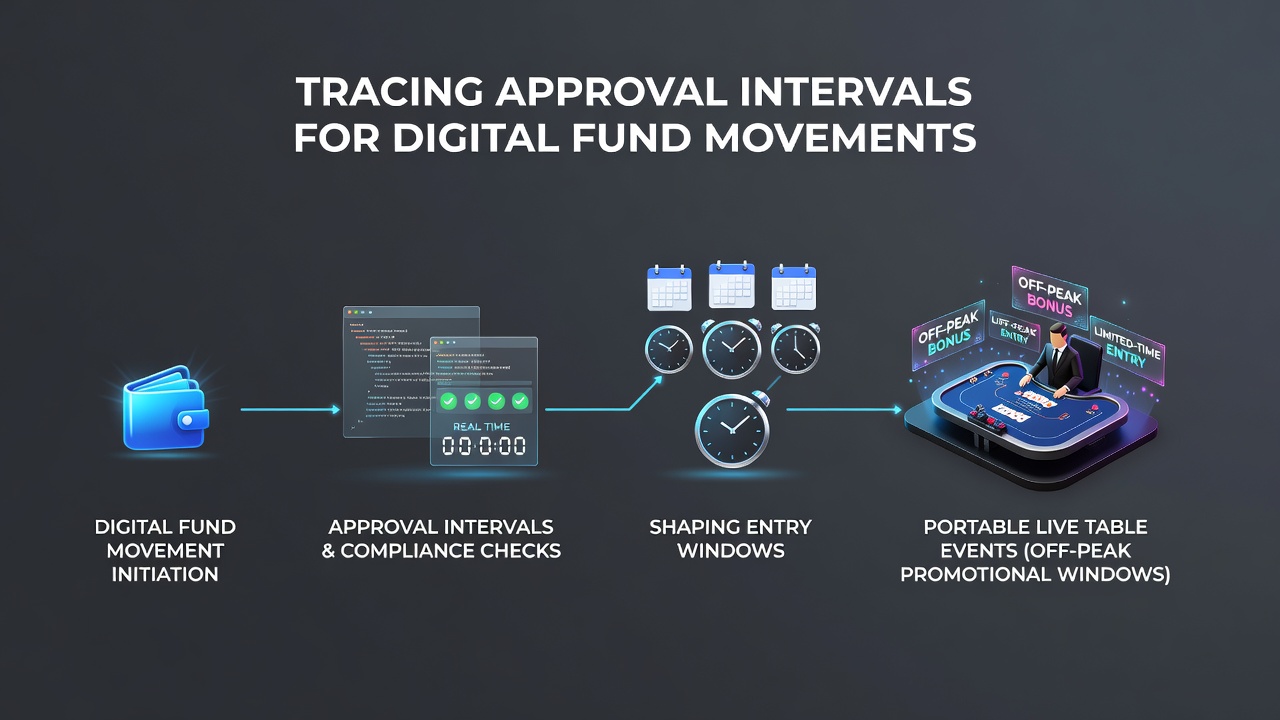
Digital fund movements in mobile gambling platforms follow specific approval sequences that determine when players gain access to live dealer tables, and these intervals often align with off-peak promotional schedules that open limited entry periods for portable events. Regulatory data from the Nevada Gaming Control Board shows average deposit confirmation times range between 12 and 45 seconds for instant banking methods, while certain e-wallet transfers extend to 90 seconds during high-volume periods. These windows directly influence participation rates in live table games hosted on smartphones and tablets.
Payment Processing Mechanics in Mobile Environments
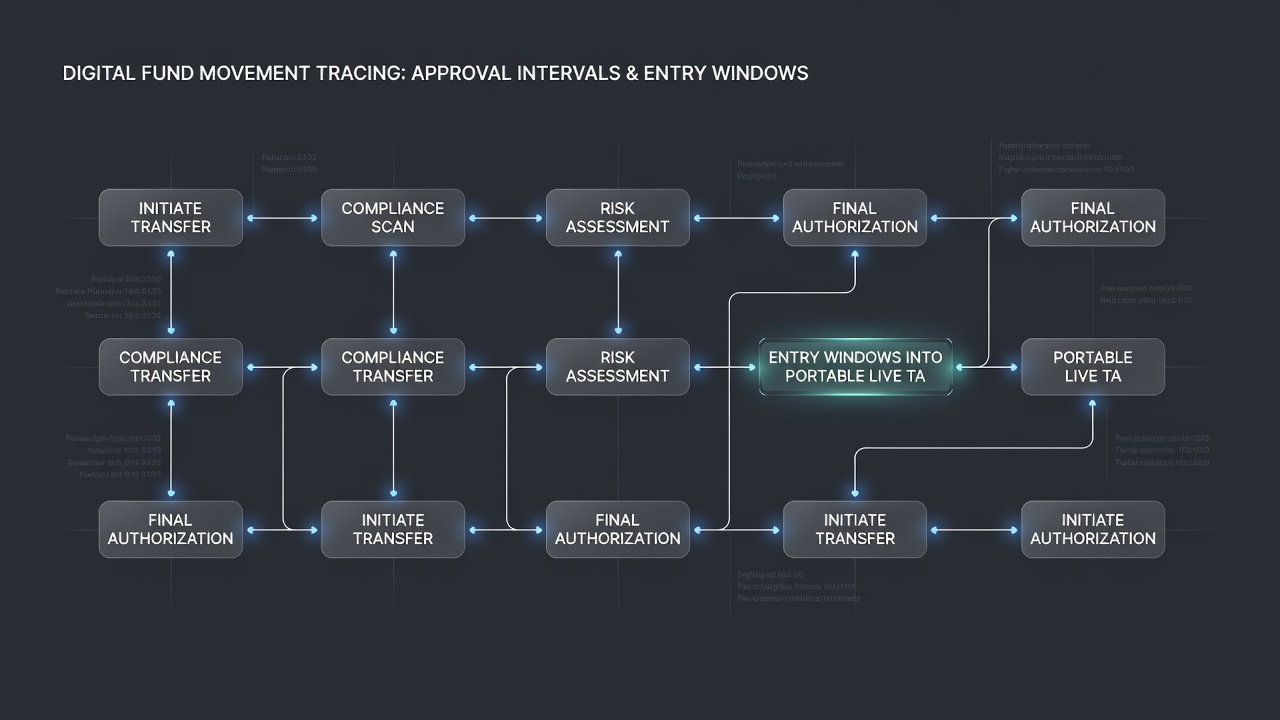
Financial institutions and payment processors apply layered verification steps that include account validation, fraud screening, and balance confirmation before releasing funds into casino wallets. Observers note that mobile live table events require real-time balance updates, so any delay in approval intervals can close entry opportunities during time-sensitive promotional windows. Data indicates most systems complete these checks automatically, yet network latency or regional banking restrictions occasionally stretch the timeline beyond standard benchmarks.
Payment gateways used by operators integrate with banking networks that process transactions in batches during off-peak hours, and this synchronization creates predictable patterns for when promotional credits become available. Those who've examined transaction logs report that approvals cluster around specific minutes past each hour, particularly between 2 a.m. and 6 a.m. local time when system loads drop significantly. This clustering shapes the precise moments when players can join live blackjack or roulette tables running promotional formats.
Entry Window Dynamics During Promotional Cycles
Off-peak promotional windows typically activate between 3 a.m. and 7 a.m. in major time zones, and operators schedule live table events to coincide with these lower-traffic intervals. Approval intervals for digital deposits therefore determine whether participants enter at the start of a session or miss the opening rounds entirely. Research from transaction analytics firms reveals that deposits approved within the first 20 seconds of a promotional cycle secure seats at tables offering enhanced payout multipliers or reduced commission rates.
Portable platforms enforce strict synchronization between wallet balances and game servers, so even brief processing lags can shift a player from early entry to a waitlist position. Figures from multiple operators show that players using instant bank transfer methods maintain a 78 percent success rate for entering events within the first promotional minute, whereas credit card transactions achieve only 41 percent entry during the same window. These differences emerge because card networks route authorizations through additional verification layers compared with direct bank connections.
Regional Variations in Approval Timelines
Operators serving North American markets report shorter approval intervals than those handling transactions from Asia-Pacific regions, where additional compliance checks extend processing by an average of 25 seconds. July 2026 data collected across multiple platforms indicates that Canadian players using Interac transfers experience median confirmation times of 18 seconds, while Australian users relying on POLi experience 34-second averages. These geographic differences affect how promotional calendars are structured for portable live events.
Payment method selection also influences whether an approval lands inside or outside the optimal entry window. E-wallet services complete transfers faster during overnight hours because their internal ledgers operate independently from traditional banking cutoffs, and this independence allows players to time deposits more precisely around promotional triggers. Casino systems log these patterns and adjust event start times accordingly to maximize participation from users in different regions.
System Architecture Supporting Real-Time Access
Backend architectures employed by major platforms maintain separate queues for deposit confirmations and game seat allocations, and these queues interact through application programming interfaces that update every 15 seconds. When an approval completes, the system immediately checks open seats at live tables and reserves positions for qualifying accounts. Delays in either queue push players past the promotional entry threshold, particularly during events that cap participation at 200 simultaneous mobile connections.
Network providers and casino operators coordinate to reduce latency during known promotional windows, yet external factors such as mobile carrier congestion still create variability. Studies of transaction metadata collected in 2025 and early 2026 demonstrate that 4G connections produce 12 percent longer approval intervals than 5G connections under identical banking conditions. Platform developers continue refining these connections to tighten the gap between deposit initiation and live table access.
Conclusion
Approval intervals for digital fund movements establish clear boundaries around entry opportunities for portable live table events scheduled during off-peak promotional periods. Regulatory records, transaction analytics, and platform performance data together illustrate how these intervals vary by payment method, region, and network conditions. Operators adjust event timing and promotional structures based on observed patterns, while players select banking options that align with desired entry windows. Continued monitoring of these intervals supports more predictable access across mobile gambling ecosystems.