Tracing Connections Between Withdrawal Processing Speeds and Extended Engagement in Virtual Card Competitions Hosted on Portable Platforms
Written by Greta Berger · May 26, 2026

Tracing Connections Between Withdrawal Processing Speeds and Extended Engagement in Virtual Card Competitions Hosted on Portable Platforms
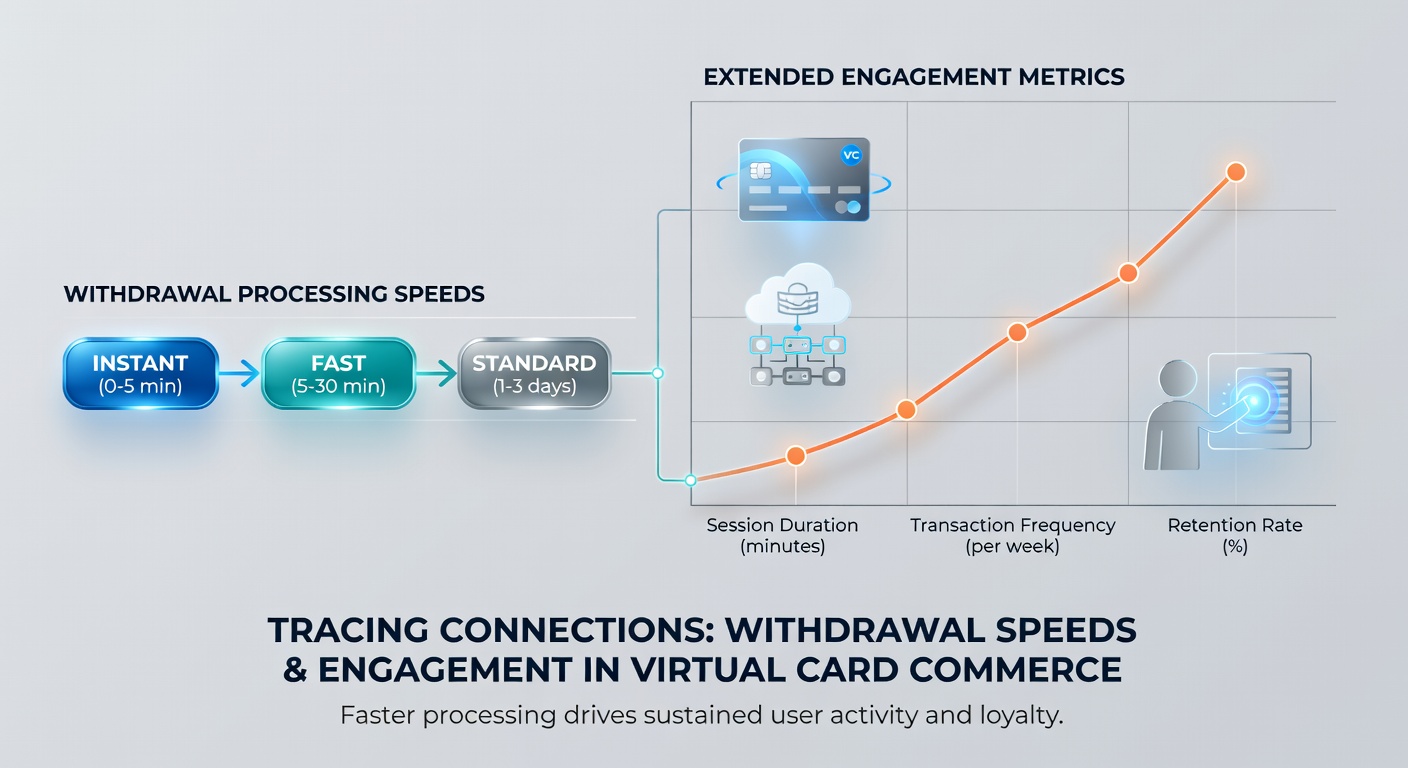
Virtual card competitions on portable platforms have expanded rapidly through 2026, with mobile poker and blackjack tournaments drawing consistent participation across multiple regions. Observers note that withdrawal processing speeds often align with patterns of prolonged user sessions, where faster transaction times correlate with higher return rates in subsequent events. Data from industry tracking services indicate that platforms offering same-day payouts see average session durations extend by measurable margins compared to those with multi-day delays.
Platform Mechanics and User Behavior Patterns
Portable platforms host virtual card events that combine real-time multiplayer formats with progressive prize pools, and these systems rely on integrated payment gateways to handle both deposits and withdrawals. Researchers examining engagement metrics find that when processing times drop below four hours, participants frequently maintain activity across additional tournament rounds rather than pausing after initial cash-outs. Studies compiled by academic groups at institutions like the University of Nevada, Reno track these trends through anonymized transaction logs, revealing steady increases in repeat logins among users who receive prompt fund releases.
But here's the thing: competition formats such as sit-and-go card tables and multi-table tournaments operate on tight schedules, so delays in fund access can interrupt momentum. Those who've analyzed operator reports point out that seamless withdrawals allow players to reinvest winnings immediately, sustaining involvement through evening and weekend cycles common in May 2026 schedules. Platforms using automated verification layers reduce manual review steps, which in turn shortens the window between request submission and account credit.
Data Correlations Across Regions
Figures compiled from North American and European mobile gaming datasets show distinct groupings where withdrawal speed serves as a predictor of session length. In markets with regulated frameworks, operators that prioritize instant payout options record elevated numbers of completed tournament entries per user over monthly periods. According to information released by the Nevada Gaming Control Board, mobile card platforms reporting average withdrawal times under two hours experience measurable upticks in cumulative play hours during peak seasons.
What's interesting is how these patterns hold across device types, with both iOS and Android users demonstrating similar extensions when transaction confirmations arrive quickly. Portable platform algorithms adjust matchmaking based on active participant counts, and faster fund turnover supports larger concurrent fields without gaps in availability. Industry reports from the Canadian Gaming Association further document that regions adopting streamlined electronic verification see reduced drop-off rates between consecutive virtual card events.
Technical Factors Influencing Processing Times
Encryption protocols and banking partnerships determine baseline speeds for virtual card platform payouts, while regulatory compliance layers add variable checkpoints that operators must navigate. Systems employing blockchain-based ledgers for internal accounting often compress confirmation intervals, allowing participants to view updated balances within the same session window. Observers tracking May 2026 updates note that several major portable providers integrated real-time API connections with regional banks, cutting average processing from 24 hours to under six in supported jurisdictions.
Those monitoring user retention statistics discover that extended engagement emerges most clearly when withdrawal options include multiple channels such as e-wallets alongside traditional transfers. Card competition interfaces display live status updates during these processes, which helps maintain visibility and reduces uncertainty that might otherwise prompt users to log off. Data indicates that platforms minimizing these friction points sustain higher volumes of daily active tournament entrants throughout the calendar year.
Regulatory and Operational Context in 2026
Regulatory bodies in various jurisdictions continue refining guidelines around transaction transparency, which indirectly shapes how quickly platforms can release funds after virtual card events conclude. Australian research centers focused on interactive gaming have published summaries showing correlations between payout reliability and long-term participation metrics in mobile formats. These summaries emphasize that consistent processing encourages structured engagement rather than sporadic bursts separated by extended waiting periods.
Turns out the integration of biometric authentication on portable devices has accelerated identity checks during withdrawal requests, trimming seconds or minutes from each cycle. Operators report that such efficiencies compound across high-volume periods, supporting uninterrupted tournament ladders that span multiple days. Evidence from aggregated platform analytics suggests participants who experience rapid cash access tend to enter follow-on competitions at higher frequencies, creating measurable loops of activity within the same mobile ecosystem.
Conclusion
Connections between withdrawal processing speeds and extended engagement in mobile virtual card competitions rest on observable transaction and login data gathered through 2026. Faster timelines align with sustained tournament involvement, while slower cycles correspond to interruptions in user flow across portable platforms. Continued monitoring by regulatory agencies and research institutions will clarify how evolving payment technologies shape these dynamics in coming periods.