Tracing Digital Fund Pathways to Seasonal Prize Pool Expansions in Smartphone-Based Wagering Ecosystems
Written by Ellis Koch · Jul 10, 2026
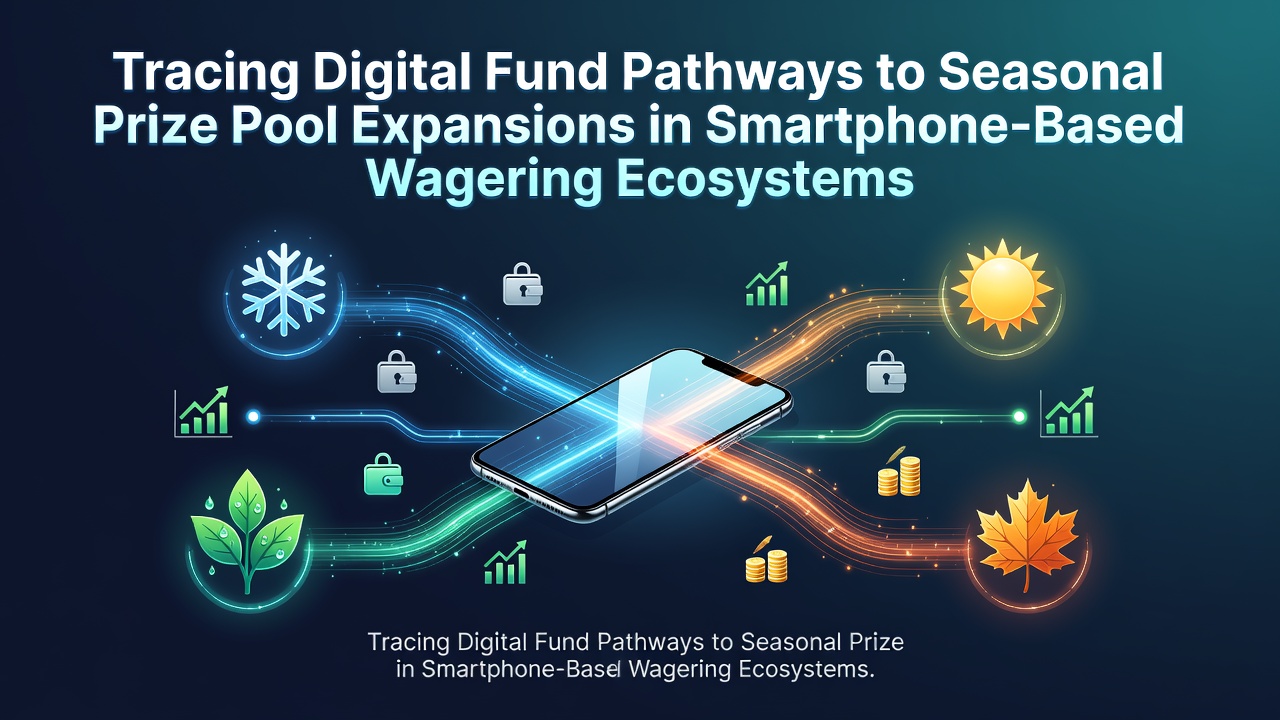
Tracing Digital Fund Pathways to Seasonal Prize Pool Expansions in Smartphone-Based Wagering Ecosystems
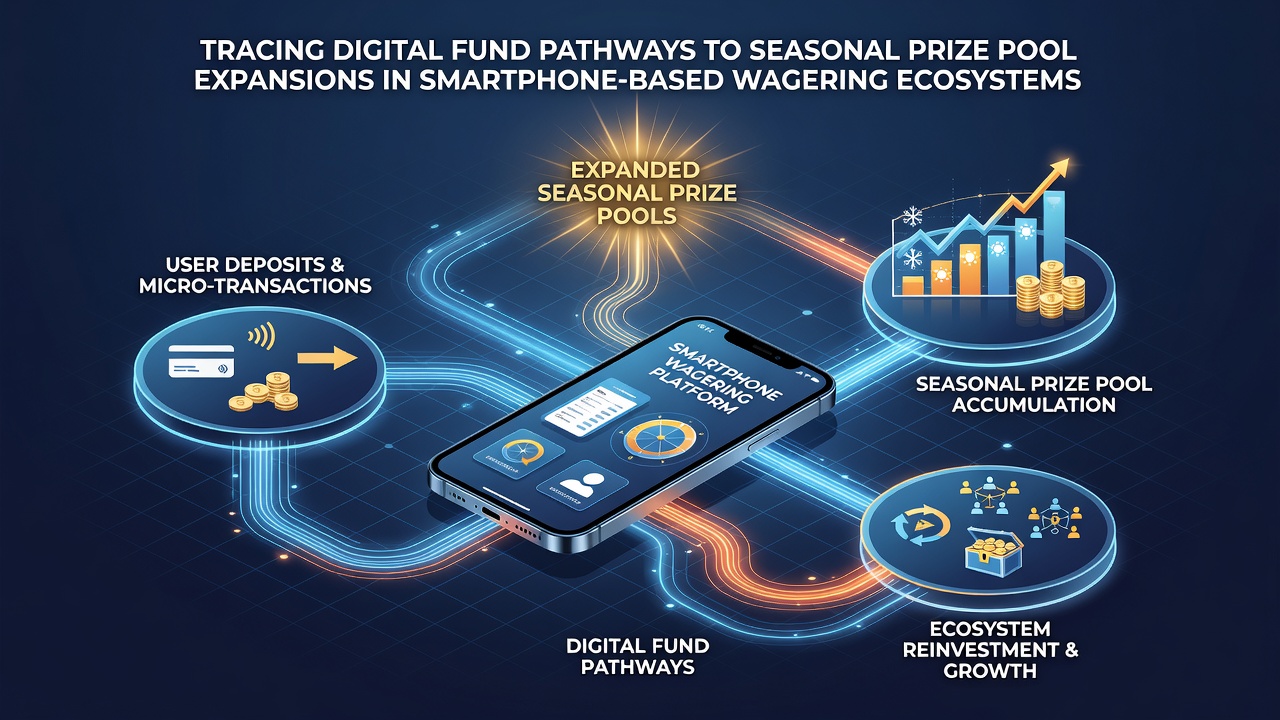
Smartphone-based wagering platforms route player deposits through multiple payment processors before those amounts contribute to seasonal prize pool expansions, and observers track these movements via transaction ledgers that update in real time across global networks. Data from regulatory filings shows that digital fund pathways typically begin with user-initiated transfers from bank accounts or digital wallets, then pass through intermediary processors that verify compliance before allocating portions to centralized prize pools managed by platform operators.
Mapping Core Transaction Routes in Mobile Wagering Systems
Payment gateways handle initial fund entries at the device level while backend servers record each step with timestamps and identifiers that allow analysts to follow money from deposit to prize allocation, and this process accelerates during peak seasons when operators increase pool contributions to match higher engagement volumes. Studies from industry research groups indicate that July 2026 saw elevated transaction densities in several North American and European markets as summer promotional cycles aligned with major sporting events, creating measurable spikes in funds directed toward expanded prize structures.
Those who monitor these systems note that automated reconciliation tools cross-reference deposit confirmations against prize pool ledgers, which prevents discrepancies and supports transparent reporting to oversight bodies. The Nevada Gaming Control Board publishes periodic summaries that detail aggregate flows without naming individual accounts, giving researchers aggregate visibility into how seasonal adjustments affect overall pool sizes.
Seasonal Adjustments and Prize Pool Growth Mechanisms
Operators increase prize pool percentages during defined seasonal windows by drawing from accumulated rake or commission revenues, and these increases depend directly on verified deposit volumes that travel through the same digital pathways established earlier in the cycle. Evidence from transaction analytics platforms reveals that funds originating from recurring user accounts tend to contribute more consistently to pool growth than one-time deposits, because repeat pathways allow operators to forecast and scale expansions with greater accuracy.
Regional festival periods often trigger additional contribution tiers where a fixed percentage of each qualifying deposit routes automatically into themed prize structures, while separate bonus-matching rules apply to certain payment methods to encourage participation. Analysts at the Australian Gambling Research Centre have documented how such layered allocation rules create distinct fund streams that remain traceable even when multiple jurisdictions process the same user session.
Technology Supporting Pathway Visibility and Compliance
Blockchain-based settlement layers and encrypted ledger entries now supplement traditional database records in many smartphone ecosystems, giving compliance teams immutable audit trails that connect each deposit event to its eventual contribution to a seasonal pool. These technical additions reduce reconciliation time and allow regulators to verify that pool expansions match actual fund inflows rather than projected estimates.
Observers note that cross-border transfers introduce additional verification steps because different licensing regimes require separate reporting formats, yet integrated APIs have shortened the interval between deposit confirmation and pool credit allocation in recent reporting periods. Data indicates that platforms operating under multiple licenses maintain parallel ledgers that reconcile nightly, ensuring seasonal expansions remain proportional to verified activity across regions.
Regulatory Oversight and Reporting Practices
Government agencies require operators to submit monthly or quarterly breakdowns of prize pool funding sources, and these reports frequently include breakdowns by payment type and geographic origin so that seasonal patterns become visible in aggregate statistics. The European Gaming and Betting Association compiles comparative figures across member markets that highlight how digital pathway efficiency correlates with pool growth rates during high-activity months.
Third-party auditors examine sample transaction sets to confirm that allocation rules function as documented, and findings from these reviews feed into public summaries that track overall system health without exposing proprietary algorithms. Such oversight maintains traceability while supporting the operational flexibility operators need to adjust pool sizes in response to real-time engagement data.
Conclusion
Digital fund pathways in smartphone wagering ecosystems connect user deposits directly to seasonal prize pool expansions through layered verification and allocation processes that regulatory frameworks require operators to document. Transaction records, combined with automated reconciliation tools and periodic regulatory filings, provide the visibility needed to confirm that pool growth remains proportional to verified inflows. Continued refinement of ledger technologies and cross-jurisdictional reporting standards supports accurate tracking as seasonal cycles continue to influence participation volumes and prize structures.