Verification Processes Shape Entry to Mobile Table Game Competitions
Written by Mia Otto · Aug 18, 2026

Verification Processes Shape Entry to Mobile Table Game Competitions
App-based wagering systems require users to complete identity checks before they join competitive table game events such as blackjack or poker tournaments, and these steps directly determine who gains access to prize pools and leaderboards. Regulatory frameworks in multiple jurisdictions mandate age verification along with address and payment source confirmation, which creates sequential gates that participants must clear within set time windows.
Core Components of Verification in Wagering Applications
Operators integrate document uploads, facial matching, and database cross-checks into onboarding flows, while ongoing monitoring flags changes in account activity that trigger additional reviews. Data from state regulators shows that incomplete submissions account for the majority of delays, and users who submit clear government-issued identification along with utility bills typically move through the process faster than those relying on secondary documents. In August 2026 several platforms updated their automated systems to accept digital passports from additional countries, which reduced average processing times for international participants by measurable margins according to industry reports.
Effects on Tournament Participation Rates
Competitive events in table game apps often open registration only after full verification completes, so any lag in document approval excludes players from early rounds or seeding advantages. Studies conducted by academic researchers in North America found that first-time users face rejection rates near 30 percent on initial attempts due to mismatched address data or low-resolution images, whereas returning players with stored profiles experience fewer interruptions. Those who study these patterns note that verification holds directly correlate with lower entry numbers during short-notice satellite tournaments, because the window for approval closes before the event starts.
Regional Regulatory Variations and Platform Responses
Platforms licensed in New Jersey must follow Division of Gaming Enforcement guidelines that require real-time address validation against state records, whereas operators serving Australian markets align with state-based requirements that emphasize source-of-funds checks for higher-stake events. One study revealed that users in regions with centralized identity databases complete verification in fewer steps than those in fragmented systems, and this difference influences how many participants from each area appear on final tournament rosters. Observers note that operators adjust their internal queues during peak festival periods to prioritize verified accounts, which helps maintain competitive balance across geographic zones.
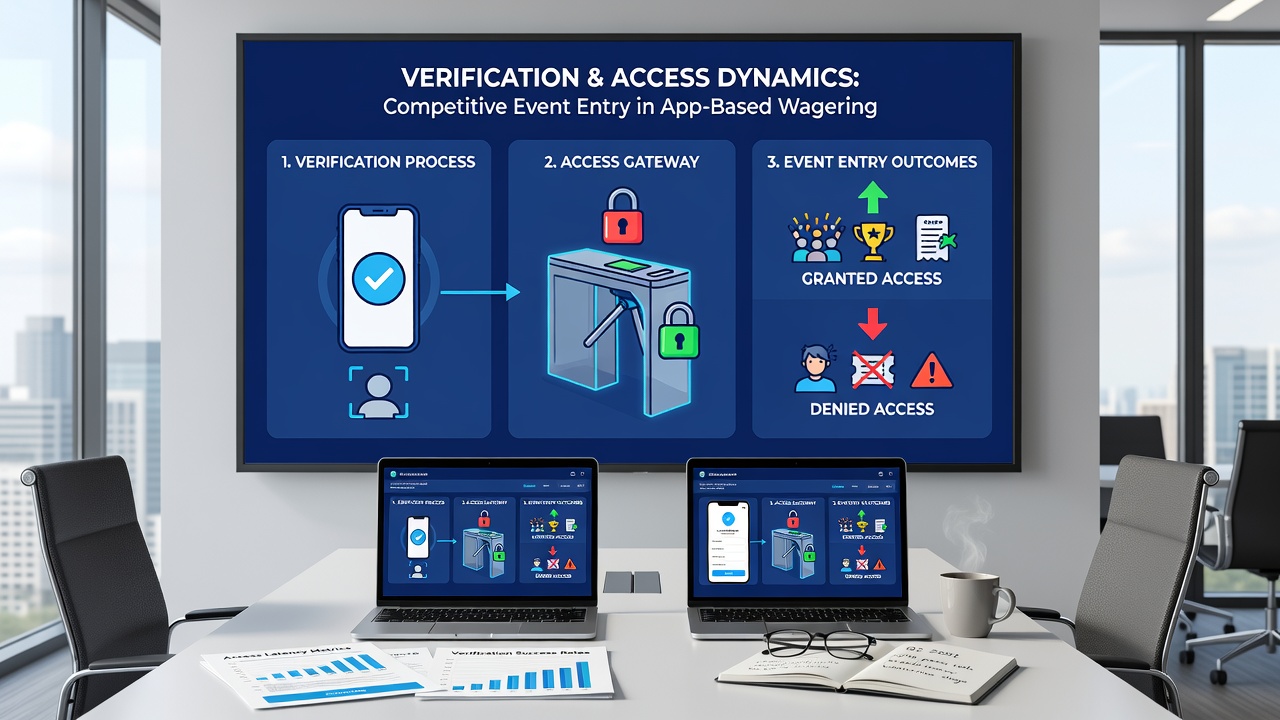
Payment method confirmation adds another layer, because many apps block entry to cash-prize events until a funding source passes anti-money-laundering screens. Figures from Canadian regulatory bodies indicate that accounts verified through bank transfers rather than prepaid cards show higher completion rates for multi-round table game series. Those who've examined entry logs across multiple operators find that verification status updates in real time for most users, yet manual reviews for edge cases can extend over several business days and push participants past registration deadlines.
Technical Integration and User Experience Factors
Modern apps embed verification modules directly into tournament lobbies, displaying progress bars that update as each document clears automated checks. Researchers discovered that clear instructions paired with in-app chat support reduce resubmission cycles, while users without immediate access to physical documents often abandon the process before finishing. Data shows that platforms offering temporary guest access to practice tables still enforce full verification before any competitive points or prizes become available, which maintains compliance without blocking casual engagement entirely.
Cross-border participants encounter extra hurdles when passport formats or address conventions differ from the operator's primary market, and these mismatches trigger manual queues more frequently. Evidence from European trade associations highlights that standardized eID systems speed up approvals compared with traditional uploads, yet adoption remains uneven across apps serving table game events. What's interesting is how some operators now allow pre-verification weeks in advance of scheduled tournaments, which lets players secure spots once the event opens without last-minute document rushes.
Conclusion
Verification processes function as gatekeepers that directly control which accounts reach competitive table game events inside mobile wagering platforms, and the speed and completeness of these checks determine participation levels across different user groups. Regulatory requirements vary by jurisdiction while technical implementations continue to evolve, yet the core relationship between cleared verification status and tournament access remains consistent. Platforms that streamline document handling and provide clear status updates enable broader entry, whereas delays or repeated requests continue to limit access for many potential competitors.